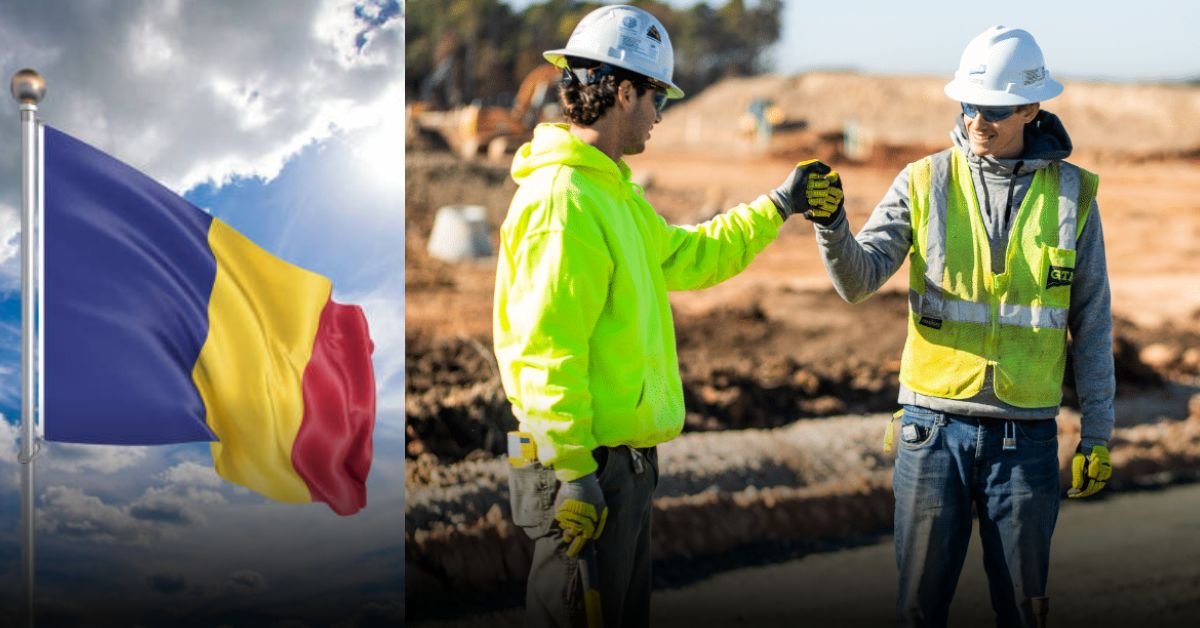
As Romania enters 2026, the nation is witnessing an unprecedented infrastructure “Gold Rush.” Driven by the final, high-pressure milestones of the National Recovery and Resilience Plan (PNRR) and a strategic pivot toward sustainable EU Cohesion funds, the demand for Geotechnical Engineers has shifted from “needed” to “critical.”
If you are a civil engineering professional looking to work in a high-growth EU market, 2026 is your year. This guide breaks down the essential legal, technical, and financial requirements to land a premier role in Romania.
The 2026 Landscape: Why Geotechnical Engineers are in Demand
Romania’s civil engineering sector is currently the “growth engine” of the economy. In 2026, several mega-projects are hitting their peak construction phase, requiring deep soil analysis, foundation design, and site investigations.
Key Projects in 2026
- A7 “Moldova” Motorway: This is one of the biggest highway projects in Europe. It needs ongoing geotechnical work for strong embankments and bridges. Many sections are under construction, and more will open soon. Full parts should finish by the end of 2026 or 2027.
- Bucharest Metro Line 6: This line connects the capital to Otopeni Airport. It has hard tunneling and water removal problems in city soils. Work is going on now, and it should finish around 2027-2028.
- PNRR Infrastructure Peak in 2026: Most projects funded by EU recovery money must finish by August 2026. This creates many high-pay contract jobs in a short time.
These projects make geotechnical experts very important. Companies need people who can handle soil risks in seismic areas and follow EU rules.
Visa and Legal Requirements for 2026
If you are not from the EU and want to move to Romania as an engineer, you must follow steps run by the General Inspectorate for Immigration (IGI).
The Stay and Work Permit (Type D/AM)
Most foreign engineers start with the Work Permit Type D/AM. Before you apply, your employer must do a Labor Market Test. This proves no local or EU person can do the job.
EU Blue Card for Romania 2026
For skilled experts, the EU Blue Card is the best choice.
Requirements for Blue Card
- Your gross salary must be at least a certain level above the average wage in Romania.
- In 2025-2026, the threshold is around 7,500 to 10,000 RON per month or more, depending on updates. It is often 1.5 to 2 times the average gross wage.
Annual Foreign Worker Quota
Every year, the government sets a limit for new foreign workers. For 2026, it is about 90,000 places. Because of shortages in construction, engineering jobs get priority.
These rules help skilled workers come quickly if they have a job offer.
Salary Expectations & Geographic Hubs
Salaries for engineers in Romania have gone up because of high demand and rising costs.
Salary Levels (Estimated Gross Monthly in RON)
| Role Level | Est. Gross Monthly Salary (RON) | Est. Annual Gross (EUR) |
|---|---|---|
| Junior Geotechnical Engineer | 6,000 – 9,000 | €14,400 – €21,600 |
| Mid-Level (Average) | 10,000 – 15,000 | €24,000 – €36,000 |
| Senior (8+ Years Experience) | 15,000 – 25,000+ | €36,000 – €60,000+ |
These are rough numbers based on current data. Real pay depends on experience, company, and location.
Hotspots for 2026 Jobs
- Bucharest: Main place for metro work and big building foundations.
- Cluj-Napoca: Fast growth like a “Silicon Valley,” with new homes and roads.
- Iași & Bacău: Key areas for the A7 motorway projects.
Other cities near big projects also have many openings.
Technical Skills and Accreditation
To work as a designer or site engineer in Romania, your skills must meet Romanian and EU standards.
The Seismic Factor: P100-1 Code
Romania has high earthquake risk, especially in the Vrancea area. All designs must use the P100-1 Seismic Code. You also need to know Eurocode 7 (EC7) for geotechnical work. This is required for all 2026 jobs.
Degree Validation (CNRED)
Your foreign degree must be approved by the Ministry of Education (CNRED). For civil engineers, the Technical University of Civil Engineering Bucharest often checks it.
Professional Memberships
It is good to join groups like AICPS (for structural engineers) or AGIR (general engineers). This helps with contacts and trust.
Good English is useful in big companies, but basic Romanian helps on sites.
Step-by-Step Guide to Relocating in 2026
Here is how to move and start work:
- Secure a Job Offer: Look at companies like Saipem, Arcadis, or big Romanian builders. Use sites like LinkedIn or Glassdoor.
- Labor Market Test: Your employer advertises the job in Romania to check for local candidates.
- Work Authorization: Employer applies to IGI for your permit. This takes 30-60 days.
- Visa D/AM: Apply at the Romanian embassy in your country after getting the permit.
- Residence Permit: After arriving, get your residence card from local IGI within 90 days.
Follow these steps carefully for a smooth move.
FAQ: Geotechnical Jobs in Romania
Do I need to speak Romanian?
In big international companies like Saipem, English is enough. But knowing some technical Romanian words for soil checks and mechanics helps a lot, especially with local teams.
What is the “Atypical Work” permit?
For short jobs under 90 days, you can skip the full quota. This is good for senior experts on special tasks like foundation fixes.
Are there tax benefits?
Construction and engineering often have good net pay. Some sectors had tax breaks before, but check current rules for 2026.
Ready to start a strong career? Check your degree with CNRED first. Then look for jobs on Glassdoor, LinkedIn, or company sites.
Disclaimer:
This information is for learning only. Always check official sites like IGI or Ministry of Education for the latest rules before you apply.